
Traffic Cameras in Bridgeport, WV: What Every Driver Should Know After an Accident
How intersection cameras can protect your rights in a car accident case
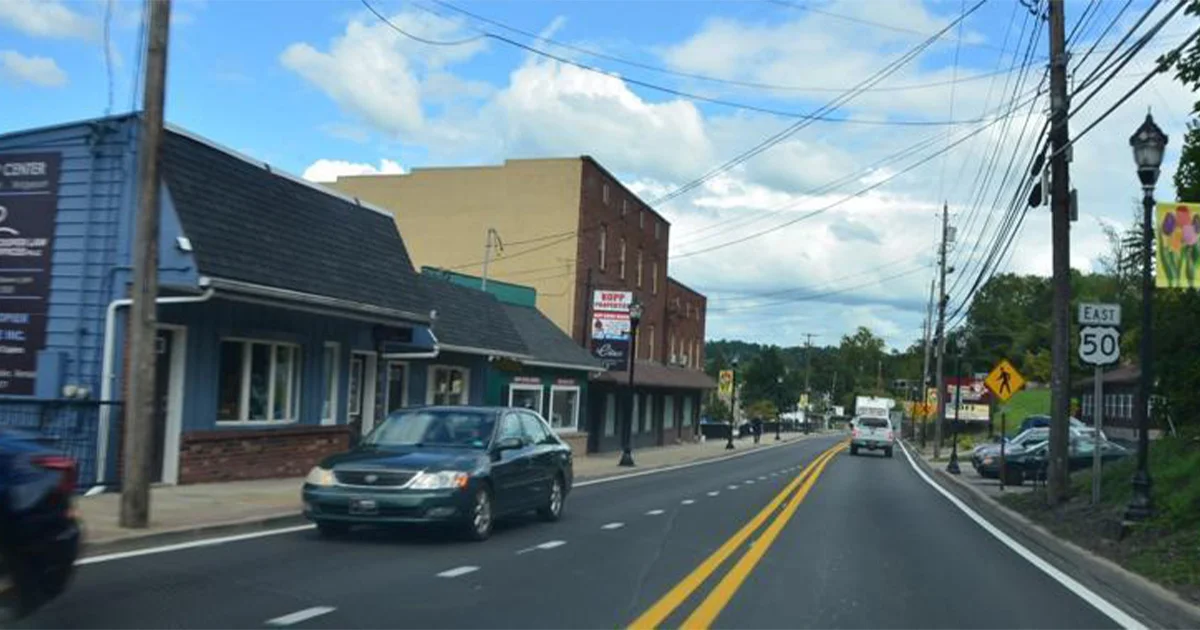
Have you noticed cameras appearing at intersections throughout Bridgeport, West Virginia? You’re not imagining things. The City of Bridgeport has quietly expanded its network of traffic surveillance cameras across Harrison County, and what many drivers don’t realize is that this footage could be the difference between winning and losing your injury case. Madia Law wants to credit the City of Bridgeport for adding these cameras throughout their town. Great job, City council!
If you’ve been in an accident near a Bridgeport intersection, this is what you need to know right now.
Why Bridgeport Is Installing Street Cameras
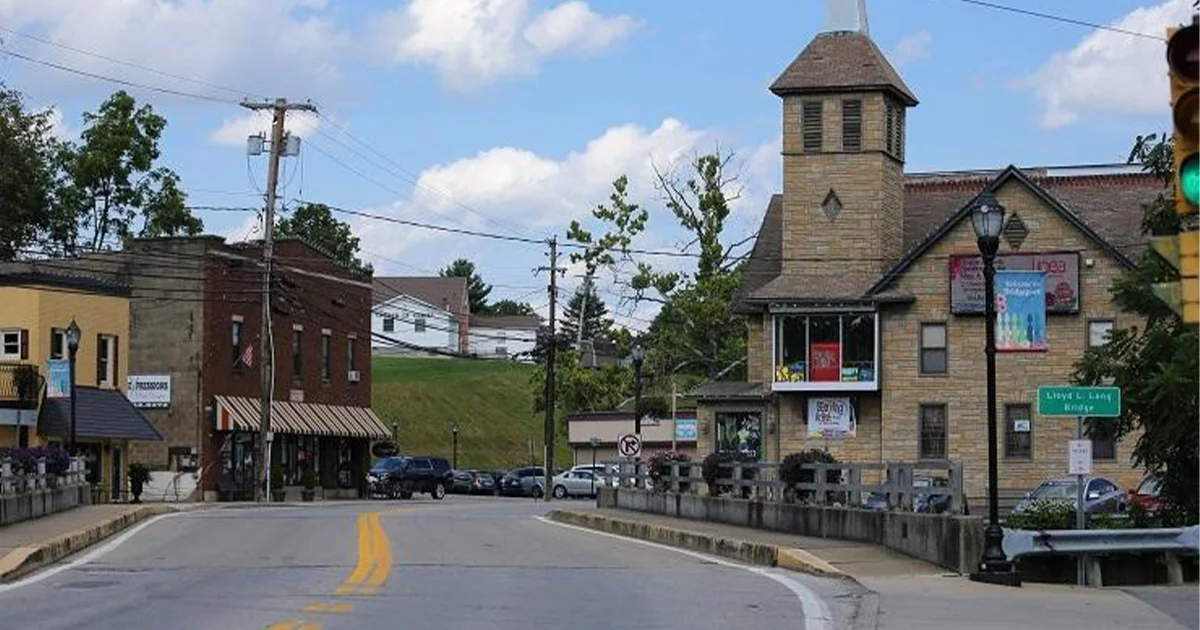
City officials have rolled out an expanding camera network as part of a public safety initiative. These cameras monitor traffic patterns and record activity at key locations including:
- High-traffic intersections and busy corridors
- Areas with frequent accidents or congestion
- Public spaces like parks and government buildings
The stated goals are straightforward: improve public safety, assist law enforcement investigations, monitor traffic flow, and provide evidence when accidents or crimes occur.
Will These Cameras Issue You a Ticket?
This is the question everyone asks first: Am I going to get a ticket in the mail?
The answer is no.
West Virginia does not currently authorize automated traffic enforcement systems that mail citations based solely on camera footage. These cameras won’t replace police officers, and you won’t receive a speeding or red-light ticket from them.
What they do instead is record and preserve evidence of what happened at an intersection—and that evidence can become critical in the aftermath of a crash.
What Do These Cameras Actually Record?
Depending on the system, Bridgeport’s traffic cameras can capture:
- Vehicle movements through intersections
- The complete sequence of events leading up to a collision
- License plate information
- Timestamp data showing exactly when events occurred
In serious personal injury cases, this footage can be the smoking gun that proves your version of events.
How Camera Footage Can Make or Break Your Injury Case
From a legal standpoint, traffic camera footage serves three critical functions:
1. It Proves Fault with Objective Evidence
Most intersection accidents come down to disputed facts: Who had the green light? Was someone speeding? Did a driver fail to yield? Camera footage eliminates the guesswork.
Madia Law currently represents clients in three separate cases where Bridgeport’s cameras captured the crash. In each case, the at-fault driver denied responsibility until we sent their insurance company the video. The footage proved liability beyond dispute.
2. It Captures What Witnesses Can’t
Even the most reliable eyewitness can misremember details, have an obstructed view, or miss key moments. Camera footage provides an unbiased, frame-by-frame timeline that no witness statement can match.
3. It Doesn’t Last Forever—And That’s the Problem
Here’s what most people don’t realize: Most camera systems overwrite footage within days or weeks.
If you wait too long to contact an attorney after an accident, that critical evidence could be erased forever. Once it’s gone, it’s gone. No court order can bring it back.
What You Should Do Immediately After an Accident in Bridgeport
If you’re involved in a crash near one of these camera-equipped intersections, time is of the essence. Here’s how to protect your legal rights:
- Document the scene with photos from multiple angles
- Look for and note any visible cameras at or near the intersection
- Get contact information from any witnesses
- Contact an experienced personal injury attorney immediately
The attorneys at Madia Law can send a preservation letter to the City of Bridgeport and any other entities that may have footage, legally requiring them to preserve the evidence before it’s automatically deleted. At Madia Law, we’ve used the footage to build a strong case on your behalf.
Why This Technology Matters More Than Ever
As Bridgeport and other West Virginia cities expand their camera networks, video evidence will play an increasingly central role in accident cases. This technology can be a game-changer for injury victims—but only if the footage is identified, preserved, and used correctly by experienced legal counsel.
Injured in a Bridgeport Accident? Madia Law Can Help
At Madia Law Firm, we know how to locate, preserve, and leverage critical evidence—including traffic camera footage—to build the strongest possible case for our clients.
If you or a loved one has been injured in a car accident in Bridgeport or anywhere in North Central West Virginia, we’re ready to fight for the compensation you deserve.
Contact us today at (304) 878-7489 for a free consultation.
The Bottom Line
Traffic cameras are now a permanent fixture in Bridgeport’s infrastructure. While they won’t send you a ticket, they can determine what really happened in the seconds before a crash—and in many cases, that footage makes all the difference between justice and injustice. Don’t let that evidence disappear.